
check out this cool video!!
https://biteable.com/watch/embed/mis-320-final-project-genetic-testing-2194332
MIS 320 Final Project: Genetic Testing on Biteable.
check out this cool video!!
https://biteable.com/watch/embed/mis-320-final-project-genetic-testing-2194332
MIS 320 Final Project: Genetic Testing on Biteable.
Thanks for joining us!
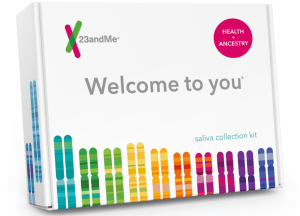
Data gathering is huge in today’s Tech lead world and the service we’ve decided to focus on takes a variety of data provided by the user to then pull from a massive pool of genetic DNA to show people the story of their DNA. The initial data 23 and Me collects is through user site registration starting with your name, credit card, email and web behavior information (ex: IP address). The saliva sample provided by the user when registering their kit is used to discover genetic, phenotypic and familial information through survey participation.
“What 23andMe did in a matter of years would have taken several decades and tens of millions of dollars if done conventionally.”
Hayden Payami
New York State Department of health
Discover, 2012
In recent years the desire of wanting to know your ancestral history has become increasingly popular, so why not allow participants to access their results directly from their iPhone? Well, now there’s an app for that! 23andMe has integrated with Apple’s ResearchKit® application. Now information on 23andMe can contribute to large scale medical studies and with growing participation, there is hope of accelerating research and making an impact on genetic data, and it’s all at our fingertips. User’s information can also be easily accessed on any device connected to Wifi and through signing into the 23andMe website. Big Data is utilized through 23andMe’s research. In a blog post on Feb 8th, 2017 Michael Snyder, director of Stanford’s Center of Genomics and Personalized Medicine, used himself as a test case to find the right data and integrate it into a clinical practice. In a recent book he wrote on the subject, he argued that,
“Big Data information can be used to manage one’s health prior to the onset of disease,”
and further discussed how some of the kinds of useful data that can now be collected on a person — from biosensors, to genetic data, to data from electronic health records — and how best to use this information can be integrated into managing a person’s health.
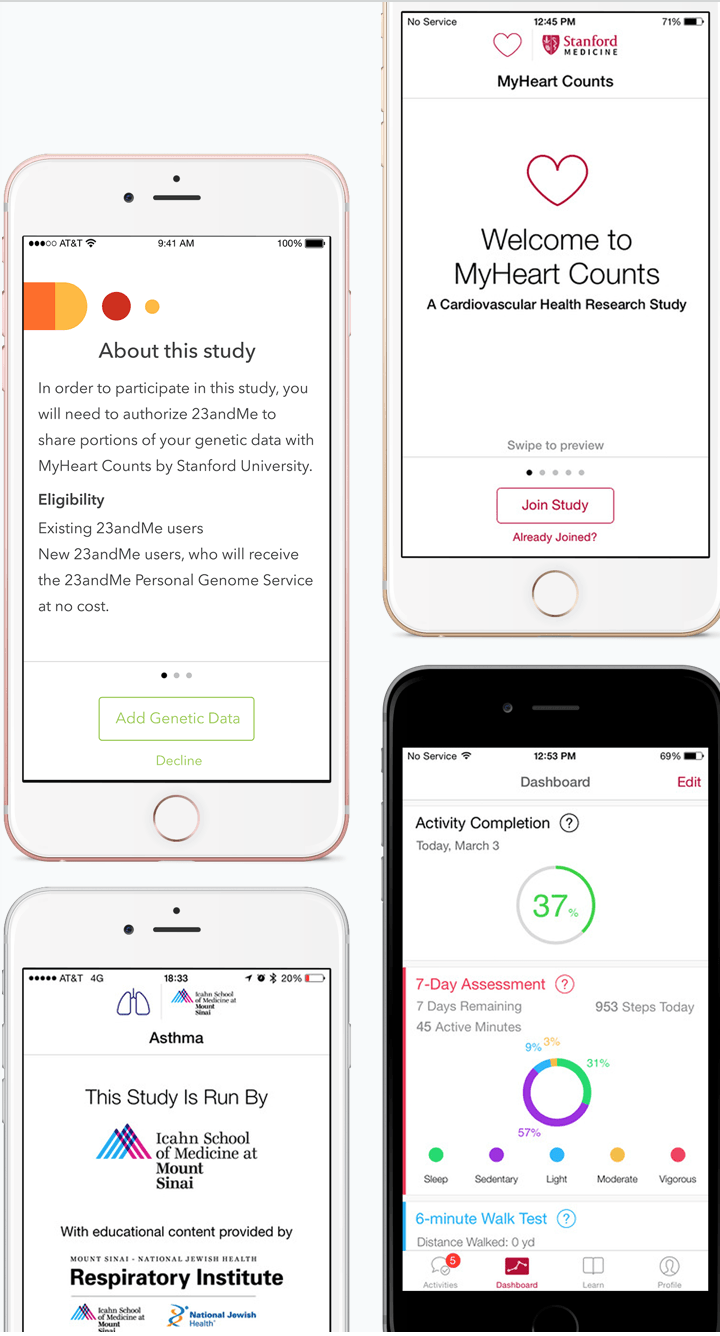
23 and Me has received some critiques and skeptics are convinced it is simply a ploy for the government to have access to your DNA which is why 23 and Me takes privacy very seriously, in that your personal and registration information is stored separately from any genetic information which reduces the likelihood you could be identified. Your personal information is also given a random ID number and your genetic information is only identified using a barcode system. The site also ensures if you participate in surveys your responses remains unknown because a user’s genetic information is stripped of personally identifying information and transferred into the firm’s research environment where it is stored with the user’s survey response data and is assigned a randomized research identification number.

Much like privacy, 23 and Me has put in place security measures to keep user information safe. The firm employs software, hardware and physical security measures to protect the computers where customer data is stored. There are 9 sections of security the firm focuses on when handling sensitive information, however for the subject of this case we will focus on the blank related to technology systems put in place. The first is design security meaning 23andMe produces secure applications by design, by following principles such as Confidentiality, Integrity and Availability they also incorporate explicit security reviews in the software development lifecycle, quality assurance testing and operational deployment. As well as auditing security controls on a regular basis by a third party auditor. The second security measure is access controls all access is limited to authorized personnel, based on job function and roles. 23andMe access controls include multi-factor authentication, single sign-on, and follow a strict least-privileged authorization policy by default. 23andMe also uses industry standard, advanced protocols for authorization to supported internal platforms and Third-Party Apps. Furthermore, access to genetic and account information is enforced through different policies and encryption keys. That means your genetic information requires additional privileges to access. The third is Encryption, industry standard security measures are in place to encrypt sensitive personal data at rest. 23andMe also uses HTTPS by default to encrypt all data in transit. The fourth security measure is through monitoring and logging which uses intrusion detection as well as prevention measures to stop any potential attacks against its networks, this provides real-time monitoring, correlation and analysis of logs and alerts across virtually any system implemented. The two final types of security are vulnerability and incident management, to achieve this the firm is constantly scanning and running tests by a third party to resolve any kinks within the application or report incidents.

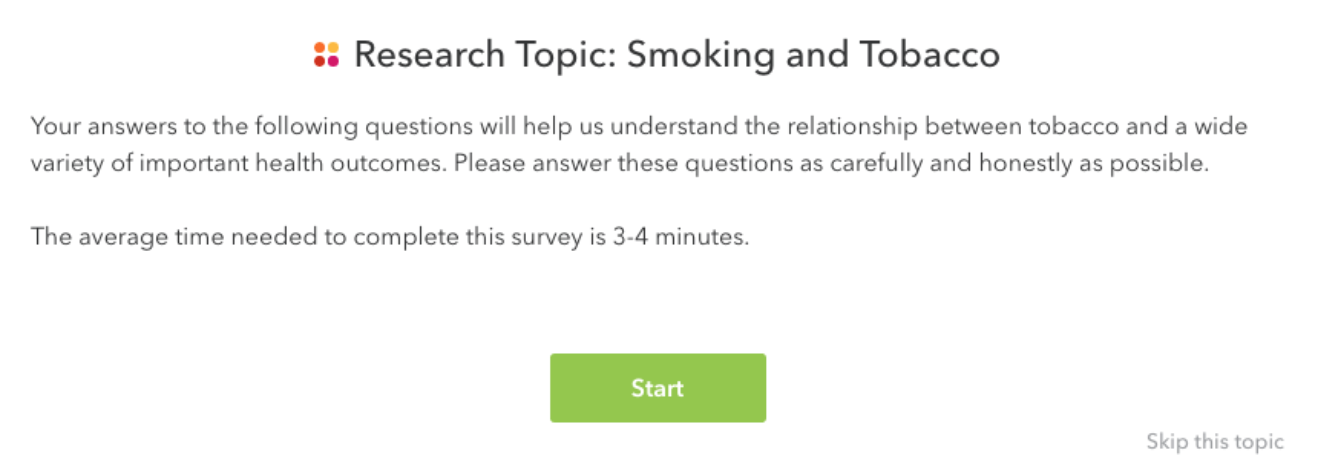
One way 23 and Me is able to gather data is through surveys, the firm supplements operational data with additional input surveys to assist the scientists and third party researchers working for 23 and Me. These surveys allows researchers, or approved third-party researchers, to use a customer’s de-identified information for a variety of studies.
The major issue the firm faces are legal run-ins with the FDA. Progress made through the FDA and its regulations has allowed 23andMe to stay ahead of its competitors as the FDA can take years to authorize the health benefits associated with DNA testing. It started in 2013 when 23andMe was forced by the FDA to discontinue marketing health-related genetic tests, leaving the firm to provide only ancestry reports and raw data to its customers. Then in 2015, the new FDA compliant genetic service 23andMe was launched, giving the firm a competitive advantage that was impossible to easily imitate. Later years, 23andMe received authorization from the FDA to market genetic health risks reports such as Late-Onset Alzheimer’s Disease. 2018 the firm is the first to provide direct-to-consumer genetic test for cancer risk. Although 23andMe has had some challenges, it continues to be a first mover in its industry.
Another problem that 23andMe will face is the risk of security threats. Even though the firm has a robust security network, it will be a never-ending challenge. For example, the recent data breach of MyHeritage is leaving skeptics of such technology asking if the risks of having your very private information invaded outweigh the benefits of finding out your ancestral descent. Moving forward, all firms who own big data, including 23andMe, will face this technological paradox of how big data is solving major problems today, and keeping up with the pace of the savvy hackers of tomorrow. An article published in summer of last year discussed the scandal involving 23 and Me selling data to drug makers (pharmaceutical giant GlaxosmithKline), in July of 2018 the pharmaceutical company acquired a $300million dollar stake in 23 and Me’s stock. As part of this deal the company would combined GlaxosmithKline and 23 and Me data to look for new drugs to develop, also know a drug targets. This goes to show that often times despite all necessary precautions to ensure the safety and security of data leaks can still occur.
23andMe has competitors: AncestryDNA, National Geographic DNA, and Color Genomics, just to name a few. These are debatably the most popular, but there are thousands more companies within the market that could gain more momentum depending on the progression of genetic testing capabilities.


23andMe has two different options of testing: a $99 test that only determines ancestry and a $199 test that determines ancestry and also involves a health component. The ancestry portion is based on the genotyping technique, which pulls out specific pieces of DNA and puts them together. These reports show an individual’s complete ancestry composition (the geographic regions precisely with which the person’s genes align), haplogroups (genetic populations that share a common ancestor), and general Neanderthal ancestry. In February 2018, the company updated its reports to provide even more precise ancestral information offering specific countries, whereas before it would only provide regional information. For an additional $100, the user can also gain information about physical traits, wellness, and certain genetic mutation carrier statuses. The FDA recently allowed 23andMe to begin providing reports about genetic risks for Alzheimer’s, Parkinson’s, breast cancer, and many others. The health test has more than 80 reports, and there are always more being added. Because the user only has to pay a one-time lump sum of $199 for the ancestry and health reports, it seems that this option has the better value because it is always providing new information without additional costs.
AncestryDNA reports do not involve a health component, but the ancestral information that they provide is much more specific than that of 23andMe. The reports show where the user’s family originates and also shows how that lineage could provide connections to potential ancestors. The location reports are as specific as they are for 23andMe, but it allows the user to curate a family tree for the price of $99, where 23andMe’s $99 test does not possess that capability.
The National Geographic DNA test, called Geno 2.0, costs $99.95 and uses a different type of technology than the genotyping utilized by both 23andMe and AncestryDNA. Geno 2.0 uses next-generation sequencing that looks at the protein-encoding parts of the genome, known as the exome. Based on this, the test provides three reports. The first one is regional ancestry, which is not as specific as 23andMe or AncestryDNA because next-generation sequencing only analyzes 2% of the 3 billion base pairs of DNA within the human genome. The second report, deep ancestry, shows the user’s ancestors’ migration patterns from thousands of years ago. The third report involves Hominin ancestry. Much like 23andMe, the user can see from this report how much DNA they have in common with a Neanderthal.
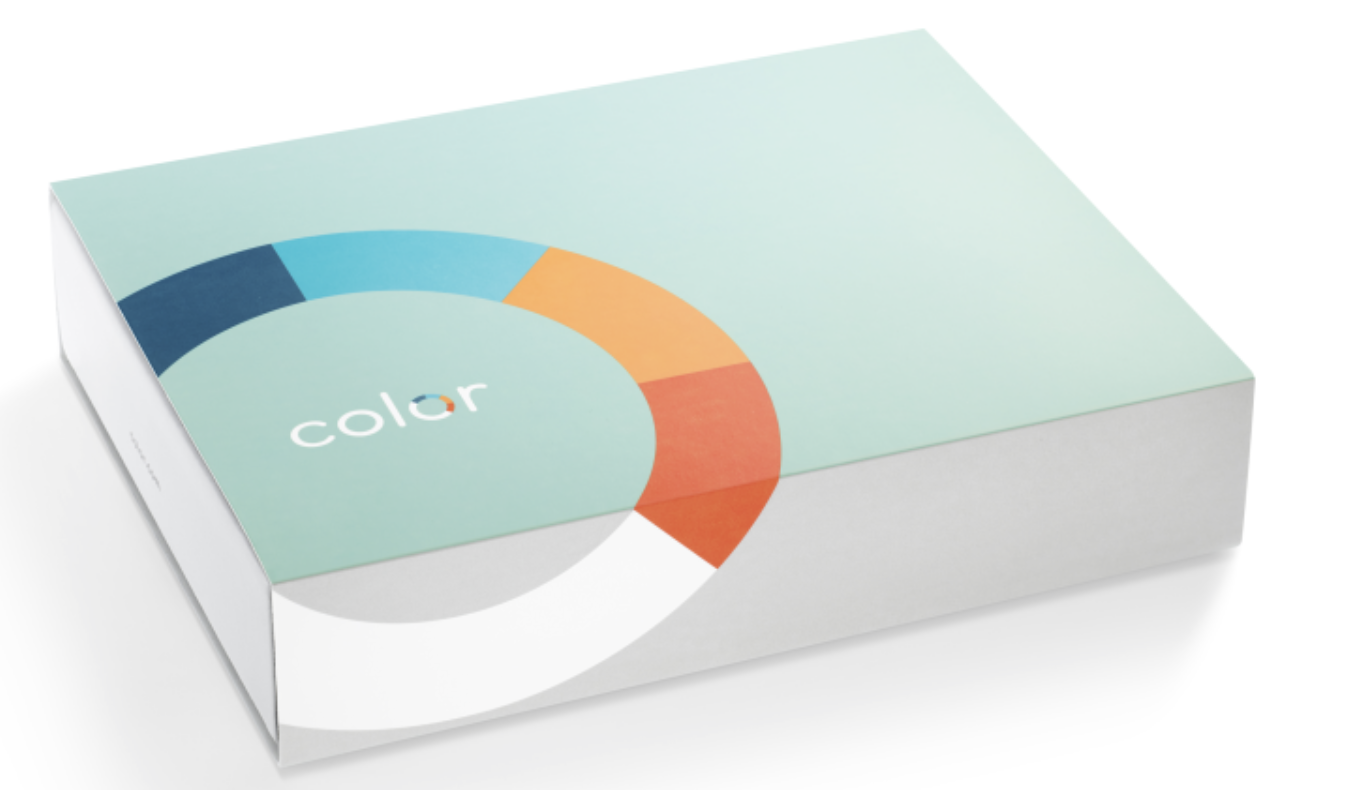
Color Genomics differs from all three of these tests in that it is physician-ordered, whereas 23andMe is a direct-to-consumer test. With the test results come complementary genetic counseling. The results are actionable, meaning that there are concrete clinical guidelines to follow with the help of a physician if the user receives a positive result for a genetic mutation risk. Like Geno 2.0, Color Genomic uses next-generation sequencing.
23andMe is one of the BIG fish when it comes to personalized genomics, however because it is still evolving a defined leader hasn’t been decided. All of tests provide slightly different reports so consumer preferences differ as well. Some people might choose 23andMe over others because it gives a comprehensive report of both personal ancestry and health/wellness. Some may choose AncestryDNA because it provides more specific connections to individual ancestors. Someone might purchase Geno 2.0 because of the next-generation sequencing technology. It all depends on the needs and wants of the consumer herself. While there is constant competition in the industry, all the tests do slightly different things so there isn’t one that dominates the personalized genomics industry.

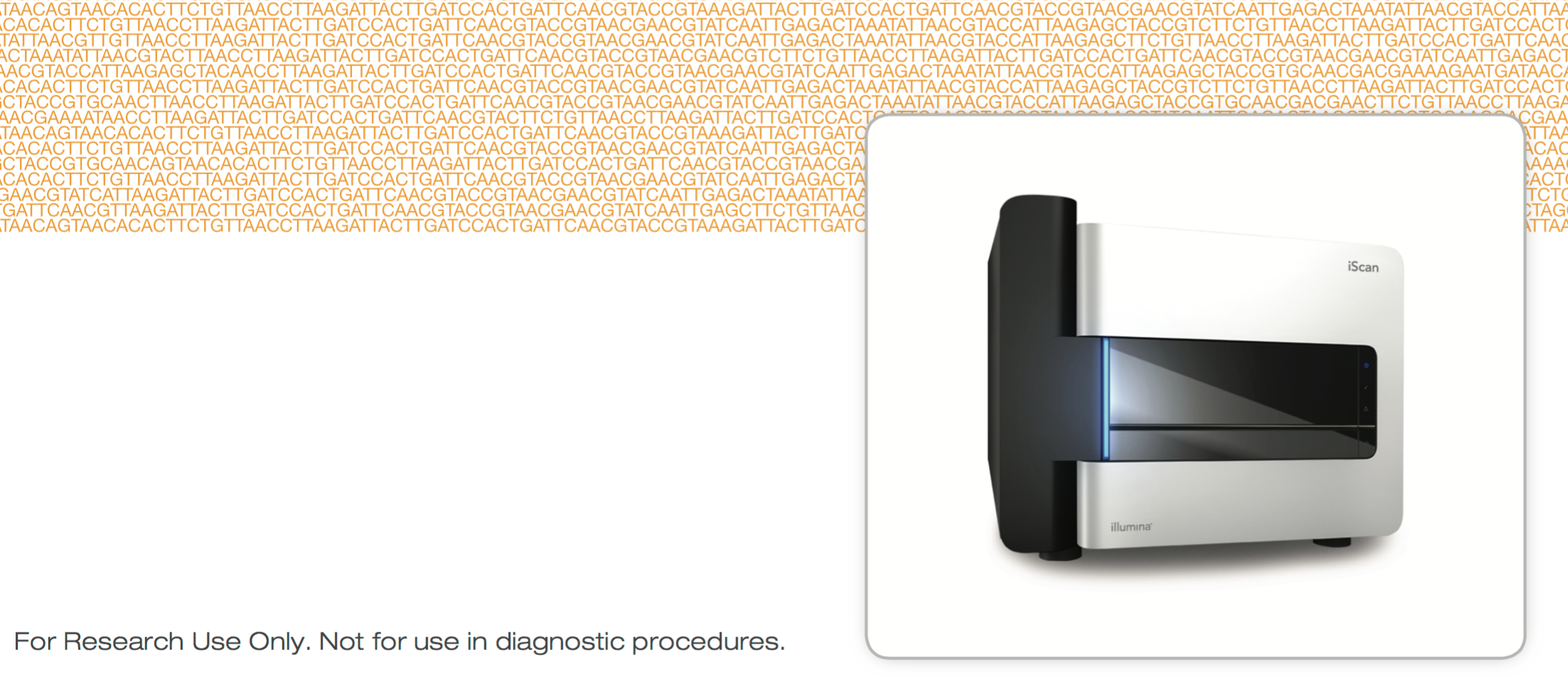
FDA research shows that the users saliva endures multiple tests to detect whether a variant is present in the DNA. The software used to detect variants is called Illumina iScan System and Genome Studio and Coregen software.This software is essentially an innovative array scanner that supports rapid, sensitive, and accurate imaging of Illumina BeadChips for exceptional genetic analysis results. The software system includes an instrument control computer that controls all aspects of the scanner. This automated system provides laser control, precision mechanics control (including focus motor), detection of excitation signals, image registration, image extraction, and data output.
Overview
Currently, there are over 85 companies in the global market, including 23andMe. Right now the market has momentum and is supposed to keep growing through 2024. The market is fragmented with no dominant companies, but still highly competitive.There’s 75,000 genetic tests in the market and is supposed to increase by 10 genetic tests per day for the next four years. Currently, countries like United States, China, and Japan are seeing the most growth in the industry and should continue to do so. Untapped markets like India and Australia also provide opportunities for companies like 23andMe.
Supporting industries
Although relatively new technology, genetic testing is growing rapidly and poses the opportunity for a great amount of change not only by creating a new market but by changing existing markets as well. 23andMe offers an Ancestry Service product but they also offer a second tier product that includes health. This allows for users to receive genetic health risk reports (late-onset Alzheimer’s disease, Parkinson’s disease, BRCA1/BRCA2), carrier status reports (cystic fibrosis, sickle cell Anemia, & hereditary hearing loss), as well as wellness reports, and trait reports.
This ushers us to a new era in health care, one that was discussed in the Ted Talk Radio Hour about big data. This is the beginning to knowing all of your health information at the touch of a button and being able to strategically plan to optimize your life and your health. Right now it’s something people do for fun or because they are curious, but someday people may using this technology to plan their lives around the genetic component for Type II diabetes, it can change the way people decide to live their lives.
It’s not just the healthcare industry that may change, but also other industries such as insurance. If we are able to know about our future through genetic testing then it leaves a lot ethical questions unanswered, but we are already gearing up for this change. With such a large market, particularly in the U.S. legislature is already being passed regarding genetic testing technology. The Genetic Information Nondiscrimination Act (GINA) was passed for the sole purpose of protecting people that undergo these services. Although genetic discrimination is still a real fear for people.
The future of genetic testing
The future of the market is big, aforementioned is the large amount of growth and accessibility to come in the next 5 years. Legislature is already being passed. Currently 23andMe is a leader, the market is worth 928 million dollars currently and it will be up to 23andMe to use the data they collect and their current momentum to keep moving forward in the market.
In 2013, prior to a Supreme Court ruling 4300 genes were patented. This gave several companies exclusive rights to the genetic testing of this. This shifted the market greatly and we will be able to this market grow with the development of this technology. Not just the market, but our accessibility and consumer involvement. In 2013, I didn’t know anyone that had gotten their DNA tested but today I have had several family members receive genetic testing.
Companies are even starting to specialized and we will more than likely see this become more common due to the vast amount of genes in the human body (20,500). There are companies that strictly test ancestry, some that only focus on cancer genes, and much more. So the market in five years due to the shear amount of companies involved will see large growth, more specialization, and of course will reach more consumers.
Previously 23andMe did not operate on open source software which lead to many people frustrated with the data’s lack of flexibility and accessibility, people wanted to publish their stories. Now we see articles and blog posts made by users of 23andMe, I can personally attest to this having just recently found out my results and a few weeks later received an email asking me to share my story. Introducing open source software to the company could be the next step, because the cost for genetic analyses have outperformed Moore’s Law for the last couple of years, creating huge amounts of data is generally not cheap. However, open data opens many doors for biomedicine, the data hosted with open source software by itself would not be sufficient to perform large scale studies, it is a great proof of principle for the willingness of people to share. Exploring open source software could take the firm in a great direction in the name of research, but the safety and anonymity of people’s personal information must also be considered.
In conclusion…
-DNA and technology are fascinating
-The Technology is constantly evolving to keep up with changing times
-The on the rise Market Leader- 23andMe
-The Future is also fascinating and exciting

 Final project